Catégorie
3D Scanning Technology – Digital Capture of Real-World Objects
3D scanning is the process of capturing the shape, dimensions, and surface details of physical objects to generate accurate digital 3D models. This technology is widely used in engineering, manufacturing, healthcare, and design for measurement, reverse engineering, and visualization.
How 3D Scanning Works
3D scanning systems collect spatial data from an object’s surface and convert it into a digital mesh or point cloud. Depending on the technology used, scanners may rely on lasers, structured light, or image-based reconstruction techniques.
Main Types of 3D Scanning Technologies
- Laser triangulation scanning: Uses laser beams and sensors to measure distances with high precision, making it suitable for detailed industrial applications.
- Structured light scanning: Projects patterned light onto an object and analyzes distortions to reconstruct surface geometry quickly and accurately.
- Time-of-flight scanning: Measures the time it takes for emitted light to return to the sensor, enabling fast scanning of larger objects and environments.
- Photogrammetry: Uses multiple overlapping photographs taken from different angles to reconstruct 3D geometry through software processing.
Types of 3D Scanners
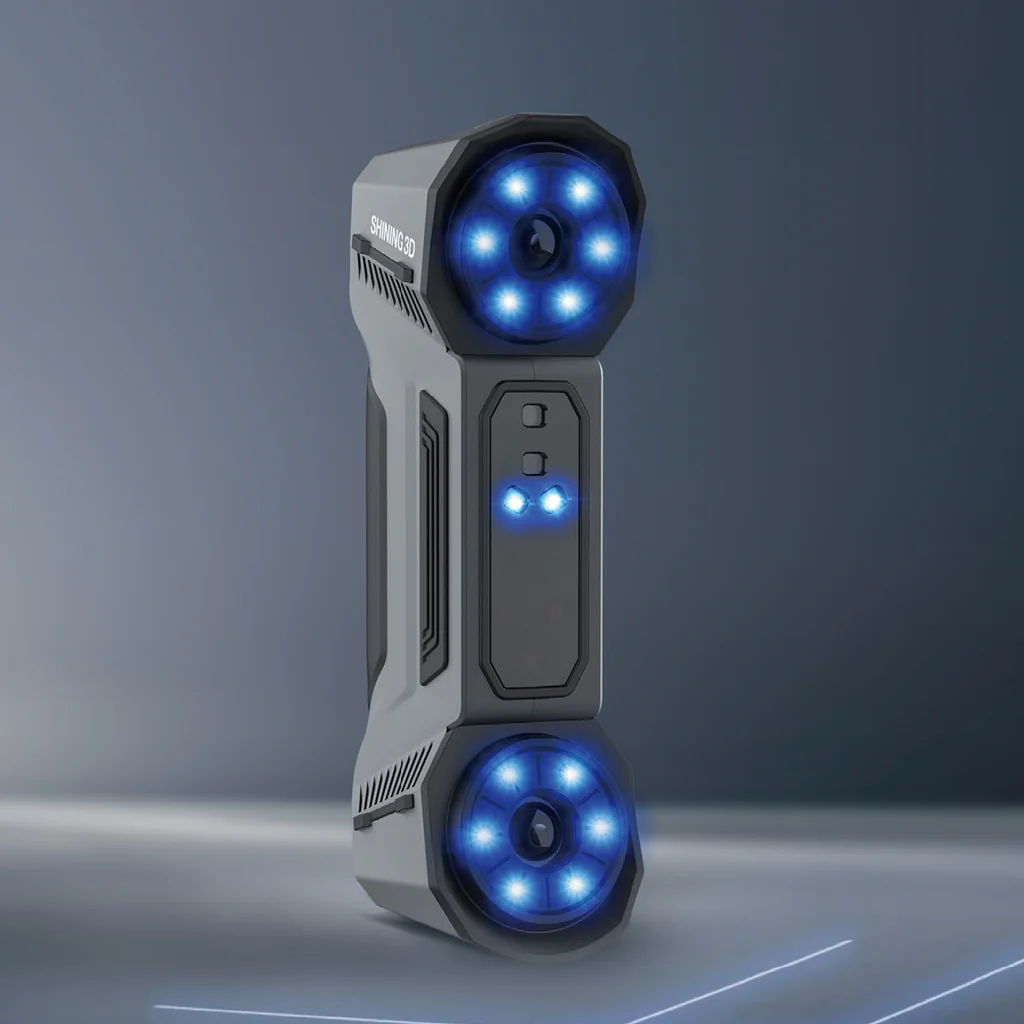
- Handheld scanners: Portable devices ideal for flexible scanning in various environments.
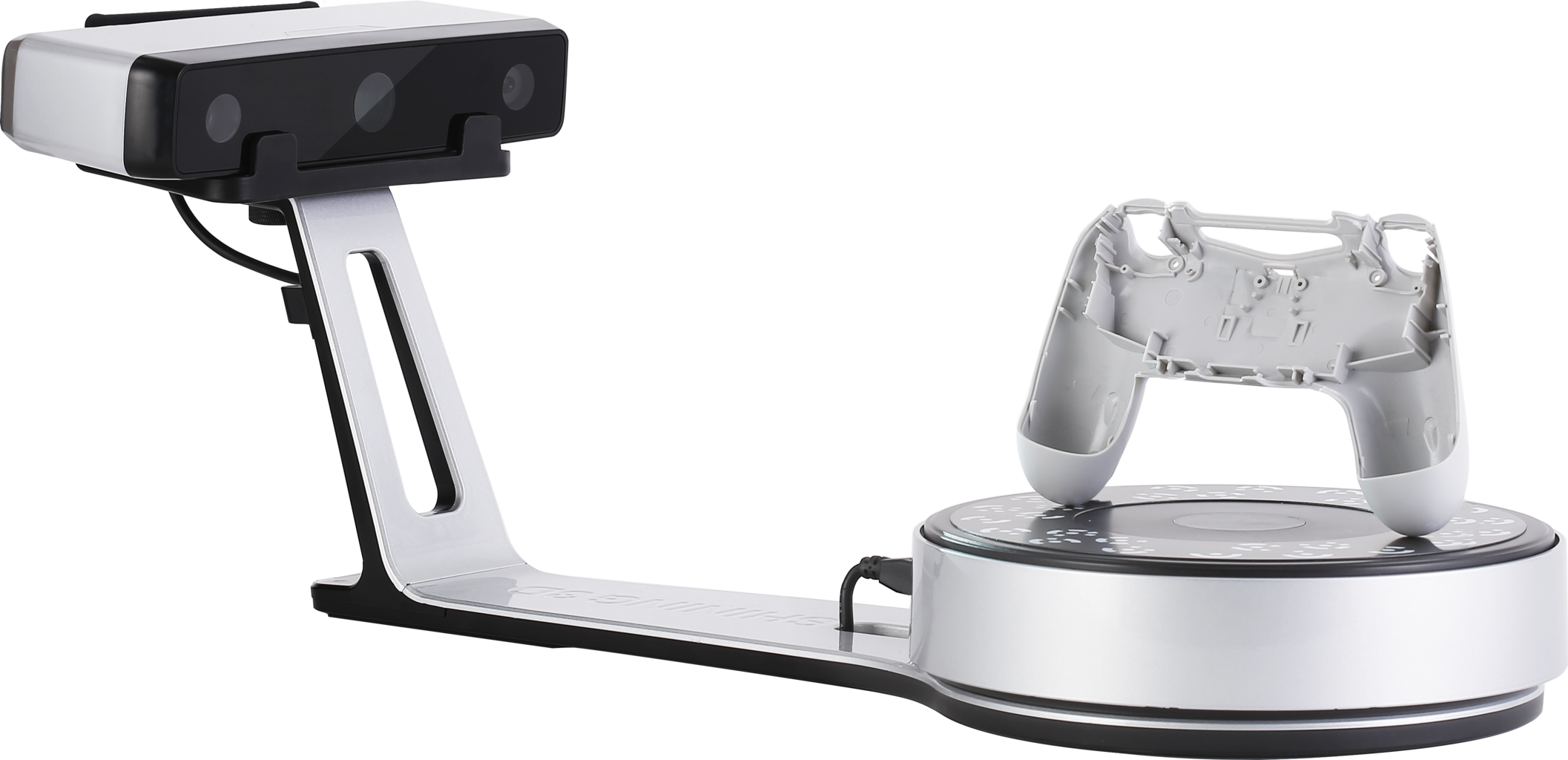
- Desktop scanners: Typically paired with turntables for capturing small to medium-sized objects with high detail.
- Stationary scanners: Fixed systems used for high-precision scanning in controlled environments.
- Portable scanners: Larger mobile systems designed for scanning bigger objects or outdoor applications.
Applications of 3D Scanning
3D scanning is used to support design, analysis, and production workflows across multiple industries:
- Reverse engineering and product development
- Quality inspection and dimensional analysis
- Medical imaging and prosthetics design
- Animation, gaming, and digital content creation
- Cultural heritage preservation and documentation
Summary
3D scanning technologies enable precise digital replication of real-world objects, supporting accurate modeling and efficient integration into digital design and manufacturing workflows.






.jpg)