Categoría
Prototyping and Rapid Product Development
Rapid prototyping is a critical stage in modern product development that helps designers, engineers, and businesses transform ideas into functional prototypes quickly and efficiently. By creating physical models before full-scale production, teams can test concepts, evaluate performance, identify improvements, and reduce costly design mistakes.
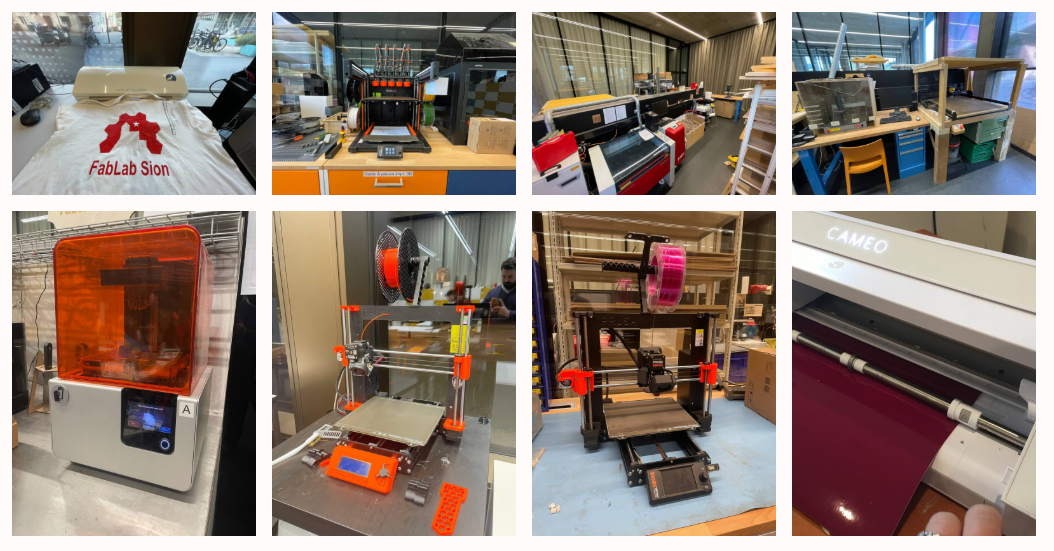
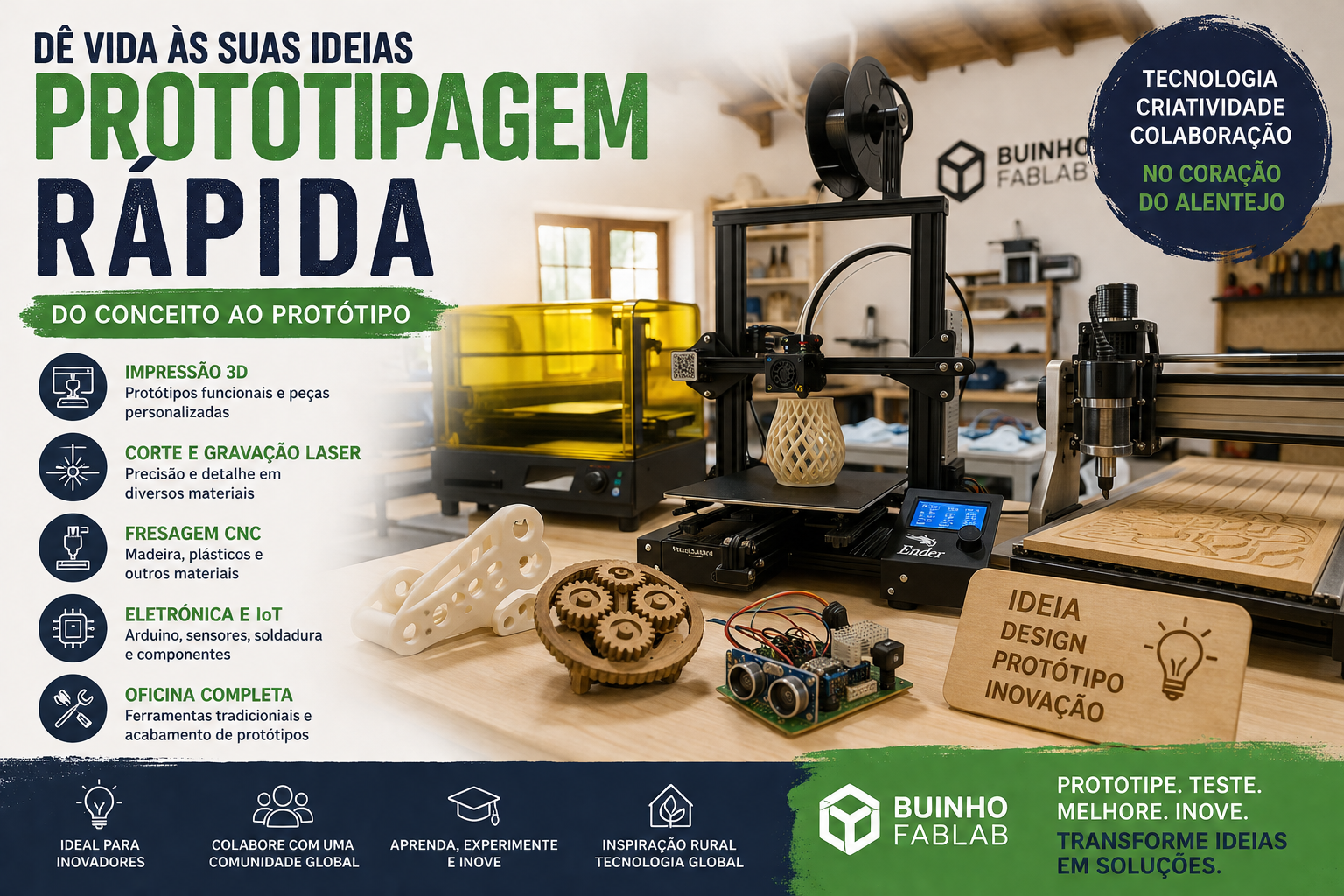
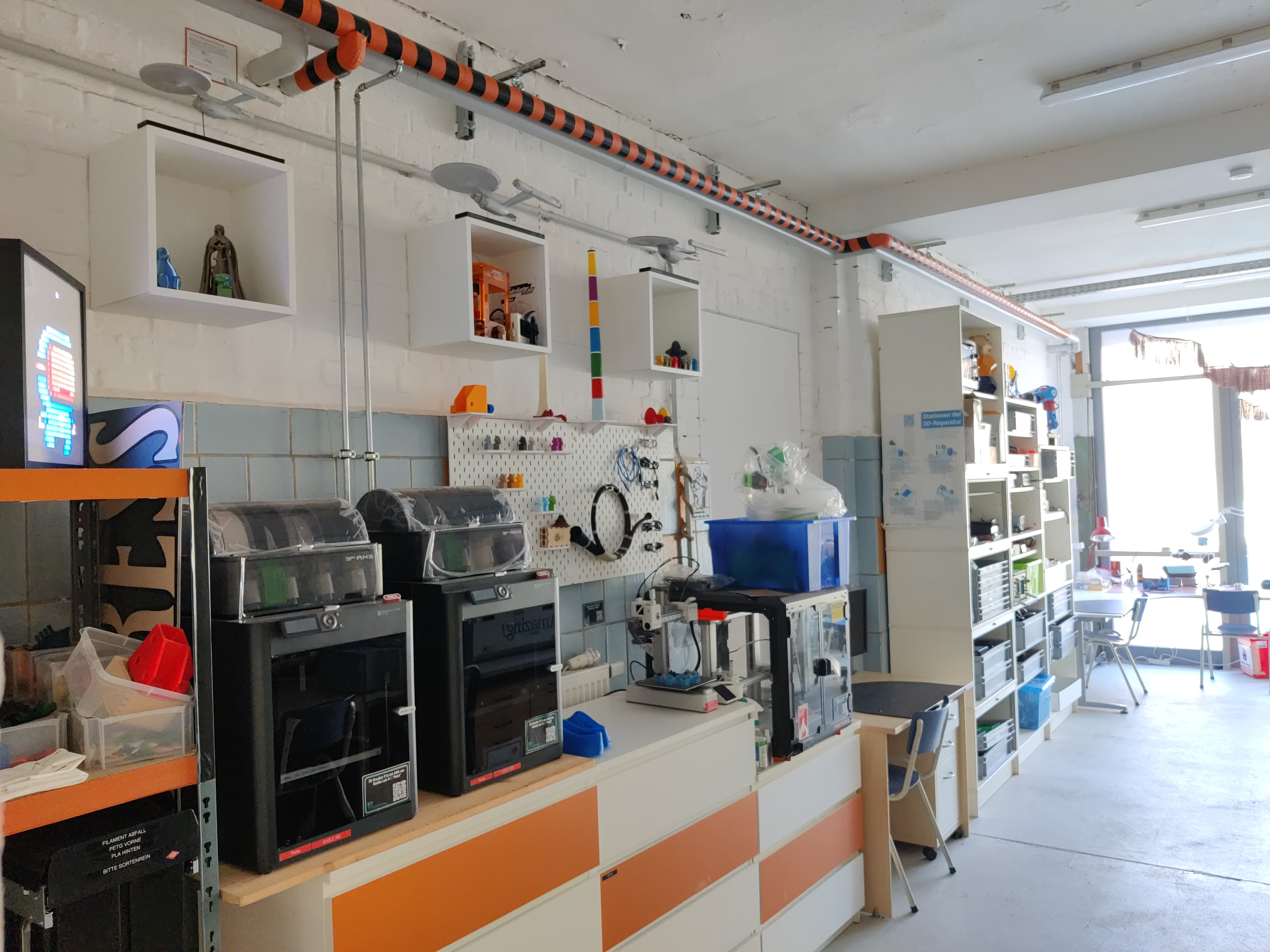
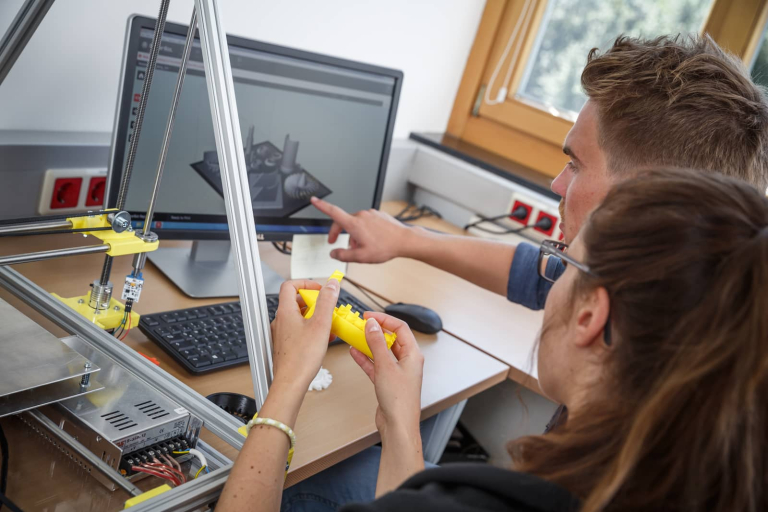
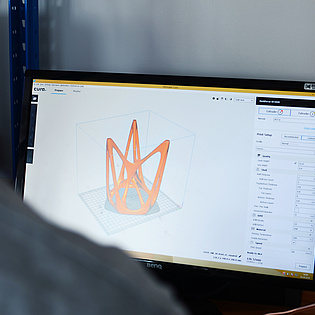
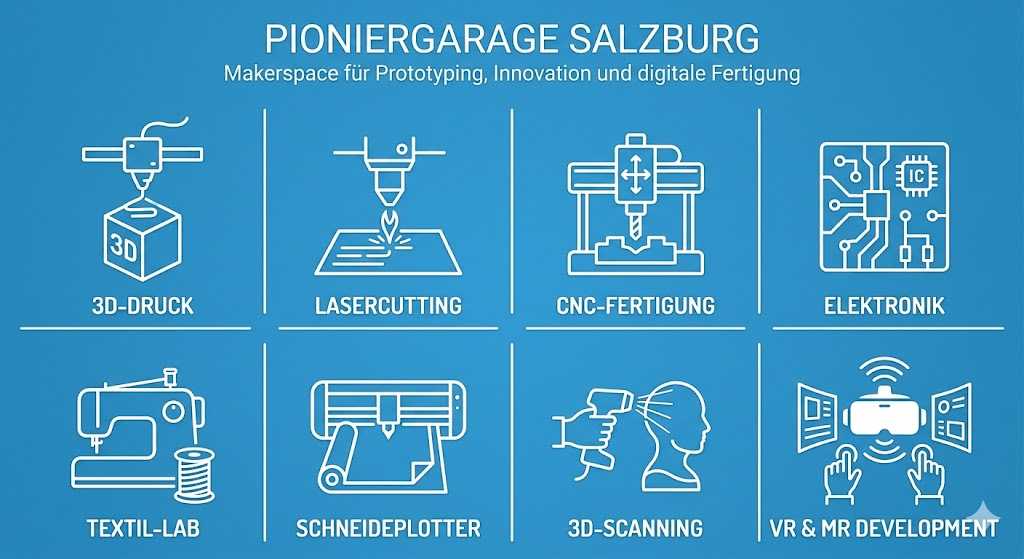
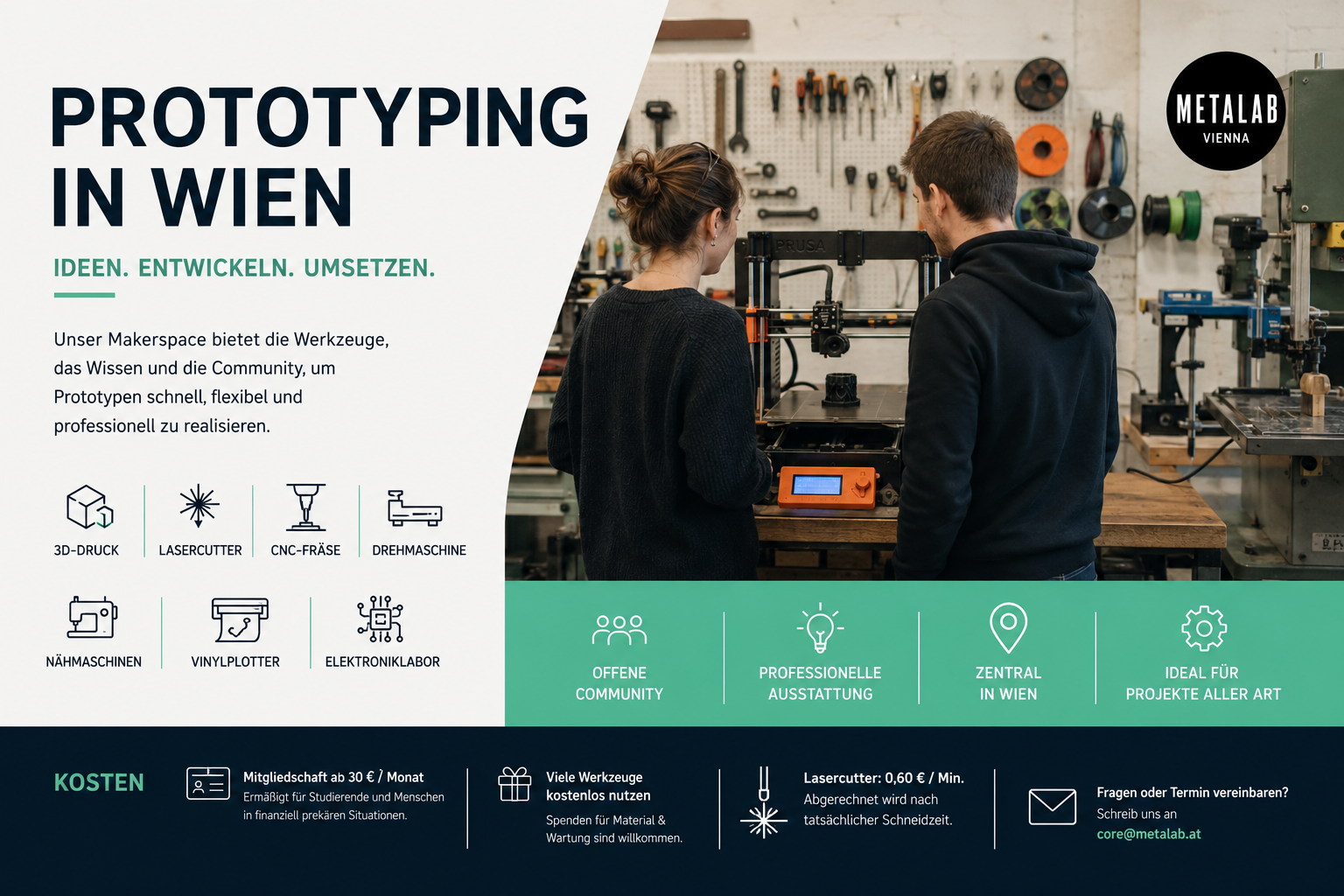
Using advanced technologies such as 3D printing, CNC machining, laser cutting, and CAD software, rapid prototyping allows products to move from concept to testing faster than traditional development methods. This iterative approach helps improve accuracy, optimize designs, and accelerate the path from an initial idea to a finished product.
How Rapid Prototyping Works
The prototyping process typically involves creating a digital design, producing a physical model, testing functionality, gathering feedback, and refining the design. Multiple prototype iterations allow teams to explore different solutions and improve product performance before investing in final manufacturing.
Benefits of Prototyping
- Accelerates product development and reduces time to market
- Allows early testing and validation of product concepts
- Identifies design issues before expensive production begins
- Reduces development costs through faster design improvements
- Improves product quality, usability, and performance
- Supports innovation through quick experimentation and iteration
Applications of Rapid Prototyping
Rapid prototyping is used across many industries, including product design, engineering, manufacturing, electronics, automotive, aerospace, medical technology, architecture, and industrial design. From functional parts and engineering models to consumer products and creative projects, prototyping helps teams develop better solutions with greater confidence.
Digital Fabrication and Prototype Development
Modern prototyping combines digital design tools with advanced fabrication technologies to create accurate, testable models. Whether using additive manufacturing like 3D printing or subtractive methods like CNC machining, rapid prototyping provides a flexible way to explore ideas and prepare products for production.