Categoría
Vacuum Forming – Thermoforming Process for Plastic Manufacturing
Vacuum forming is a thermoforming manufacturing process in which a heated plastic sheet is shaped over a mold using vacuum pressure. It is widely used to produce lightweight, durable, and cost-effective plastic components with consistent detail and form.
How Vacuum Forming Works
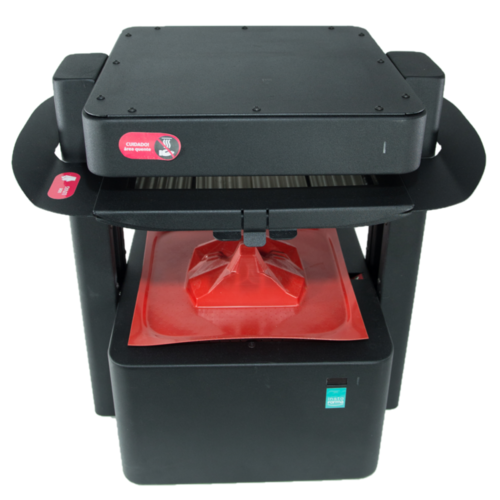
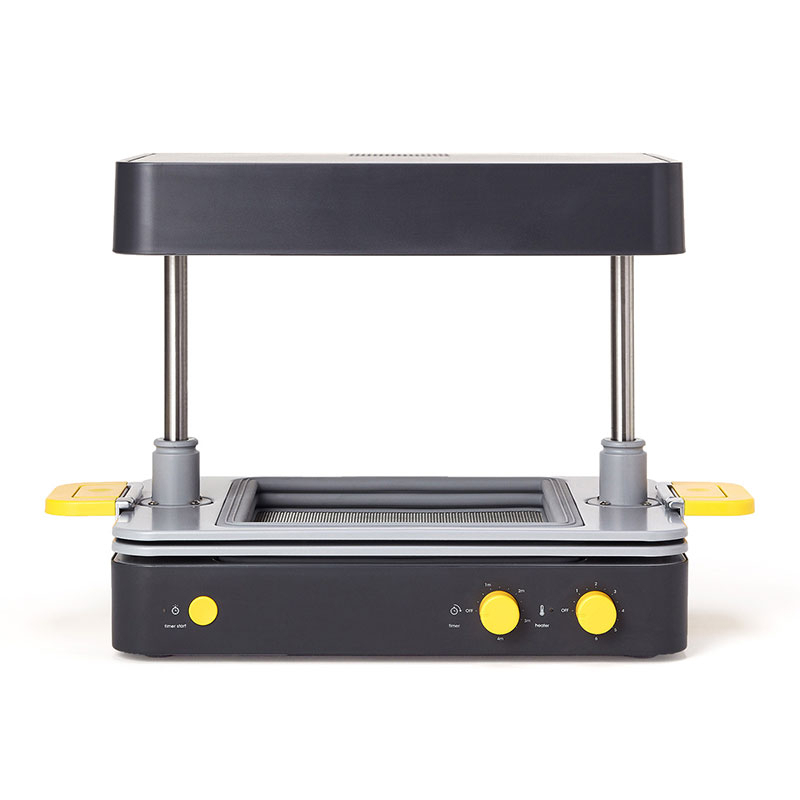
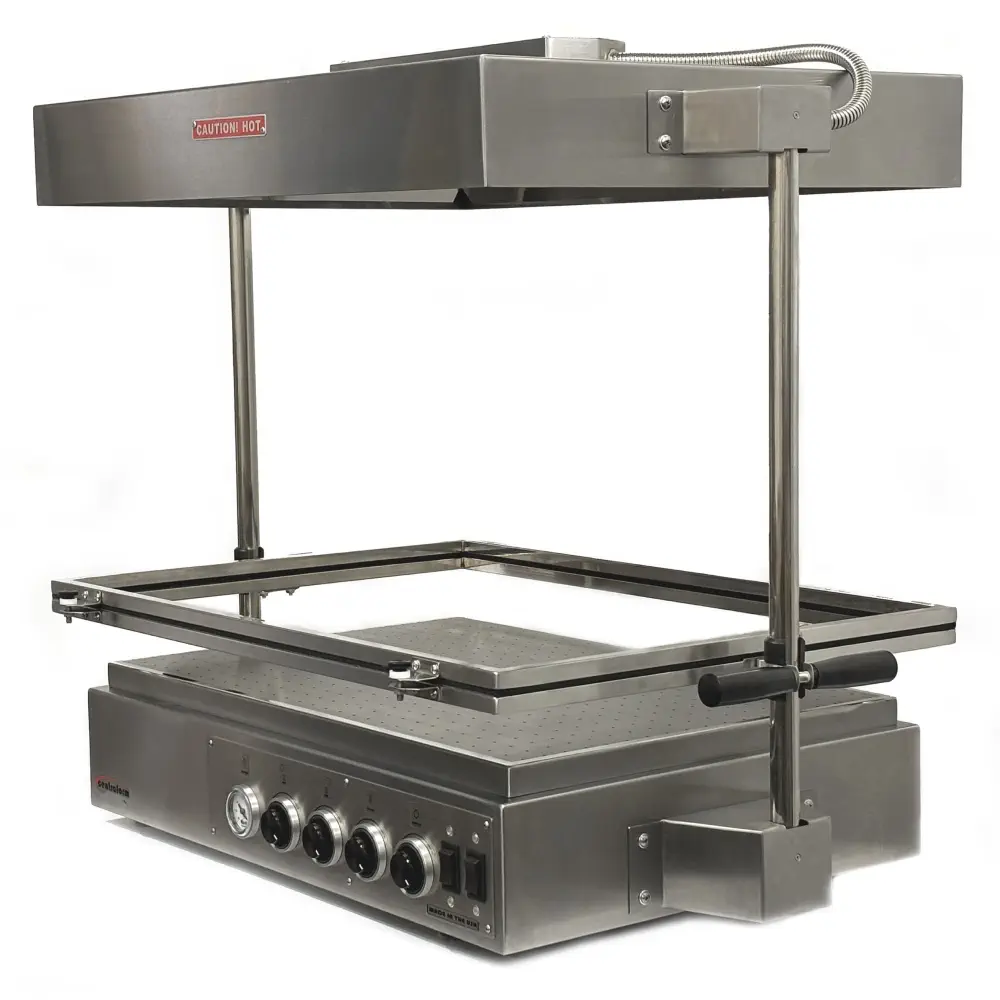
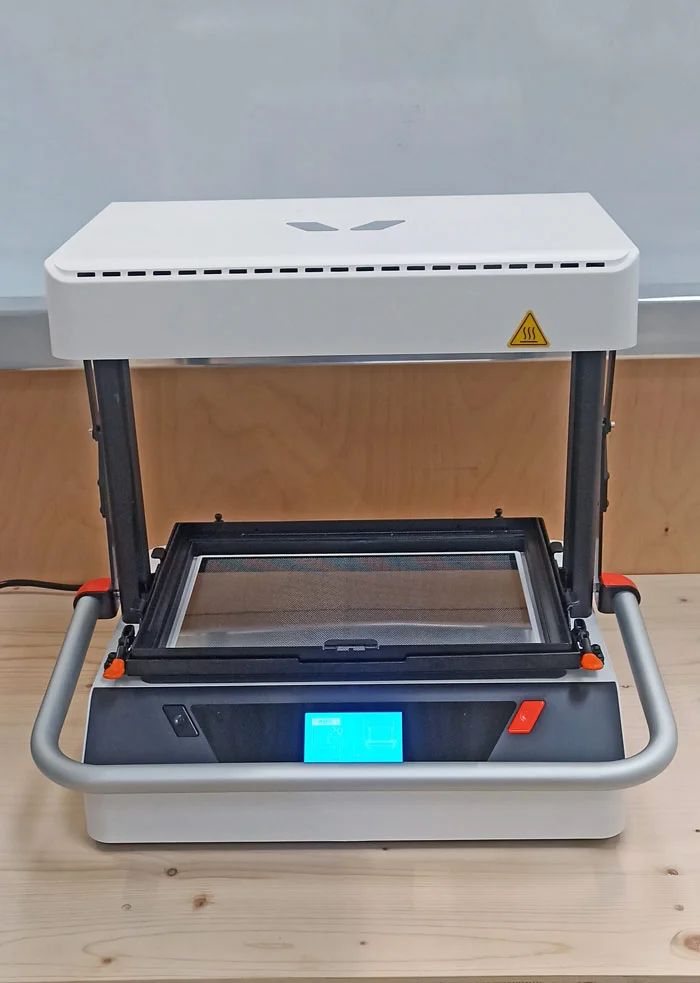
The process begins by clamping a thermoplastic sheet into a frame and heating it until it becomes soft and pliable. Once the material reaches the correct forming temperature, it is stretched over or into a mold. A vacuum is then applied, removing air between the sheet and the mold so the plastic tightly conforms to the mold’s surface.
- Plastic sheet is clamped into a forming frame
- Material is heated to a forming temperature
- Softened sheet is draped over or into a mold
- Vacuum pressure pulls the sheet against the mold
- Part is cooled and solidified into shape
Post-Processing Steps
After forming and cooling, the plastic part is removed from the mold. Additional finishing steps are often required to achieve final specifications:
- Trimming excess material
- Drilling or cutting openings
- Surface finishing or polishing
- Assembly or integration into larger products
Key Advantages of Vacuum Forming
- Low tooling cost: Economical molds compared to injection molding
- Fast production: Short lead times for prototypes and production runs
- Scalability: Suitable for both small and large parts
- Material efficiency: Minimal waste compared to subtractive methods
- Design flexibility: Supports a wide range of shapes and geometries
Common Applications
Vacuum forming is widely used across multiple industries for both functional and aesthetic components:
- Packaging: Blister packs, trays, and protective packaging
- Automotive: Interior panels, trims, and protective covers
- Product enclosures: Housings for electronics and devices
- Industrial components: Covers, guards, and custom-shaped parts
Overview of the Process
Vacuum forming is valued for its ability to produce consistent, lightweight, and cost-efficient plastic parts. It is commonly used for both prototyping and large-scale production where speed and affordability are important.








.png)