Kategorie
3D Printing Resin – High-Detail Photopolymer Materials for Precision Manufacturing
3D printing resin is a liquid photopolymer material used in additive manufacturing technologies such as SLA (Stereolithography), MSLA (Masked Stereolithography), and DLP (Digital Light Processing). These processes use controlled light exposure to cure resin layer by layer, producing solid objects with exceptional detail and smooth surface finishes.
What is 3D Printing Resin?
Resin-based 3D printing materials are engineered to deliver high accuracy, fine feature resolution, and clean surface quality. Unlike filament-based printing methods, resin printing uses liquid polymers that harden when exposed to UV or projected light sources.
- High-resolution printing capabilities
- Smooth surface finishes with minimal visible layer lines
- Suitable for complex geometries and fine details
- Compatible with SLA, MSLA, and DLP 3D printers
Types of 3D Printing Resin
Different resin formulations are designed for specific mechanical properties and industrial applications:
- Standard resin: General-purpose material for prototypes and visual models
- Tough resin (ABS-like): Improved durability and impact resistance
- Flexible resin: Elastic properties for bendable or soft components
- High-temperature resin: Enhanced thermal resistance for demanding environments
- Ceramic-filled resin: Increased stiffness and heat tolerance
- Castable resin: Clean burnout properties for jewelry and investment casting
Applications of Resin 3D Printing
Resin materials are widely used in industries that require precision and fine detail:
- Rapid prototyping: Functional and visual concept models
- Dental manufacturing: Dental models, aligners, and surgical guides
- Jewelry production: Intricate casting patterns and detailed designs
- Engineering components: Precision parts and fitment testing
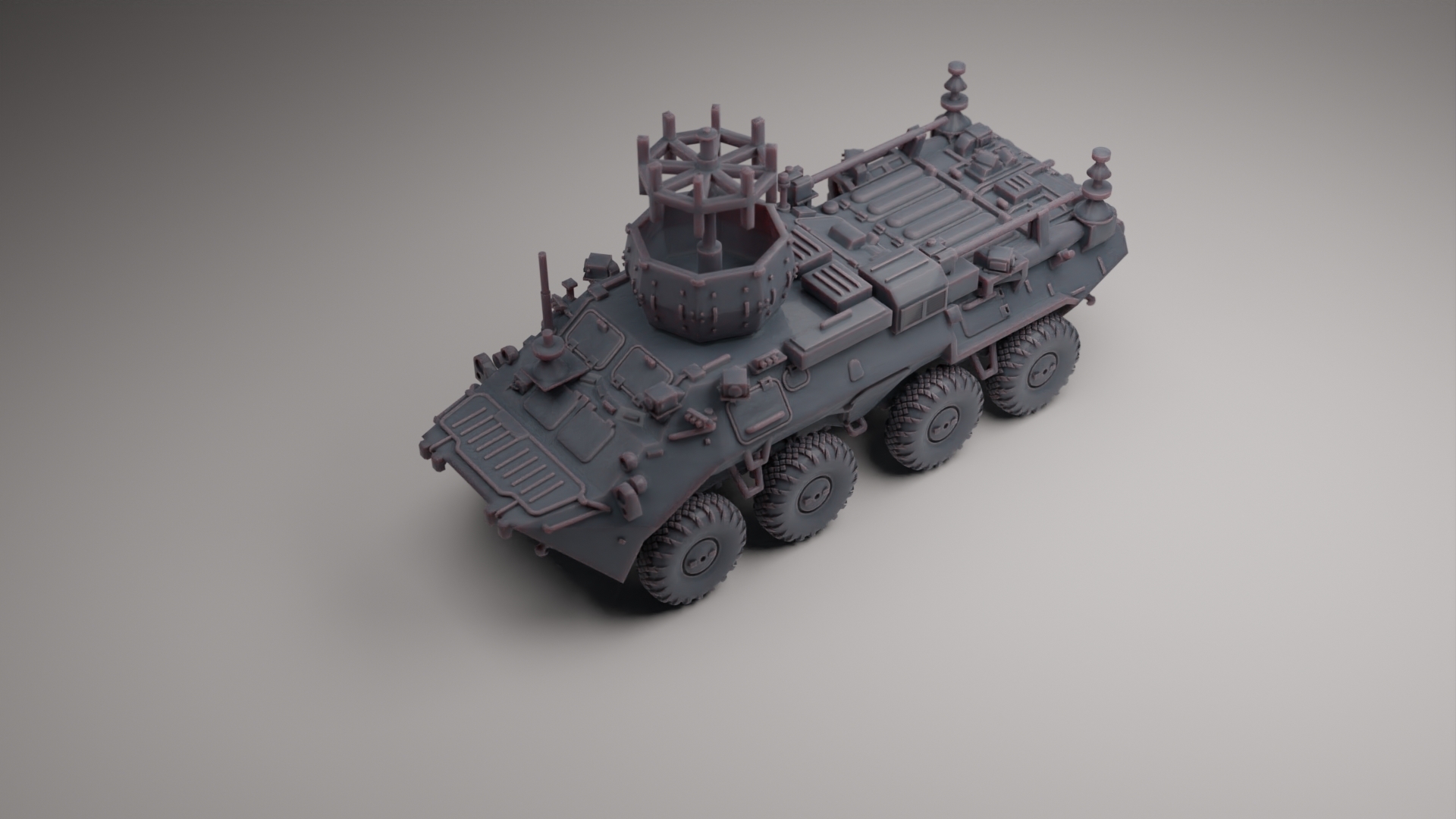
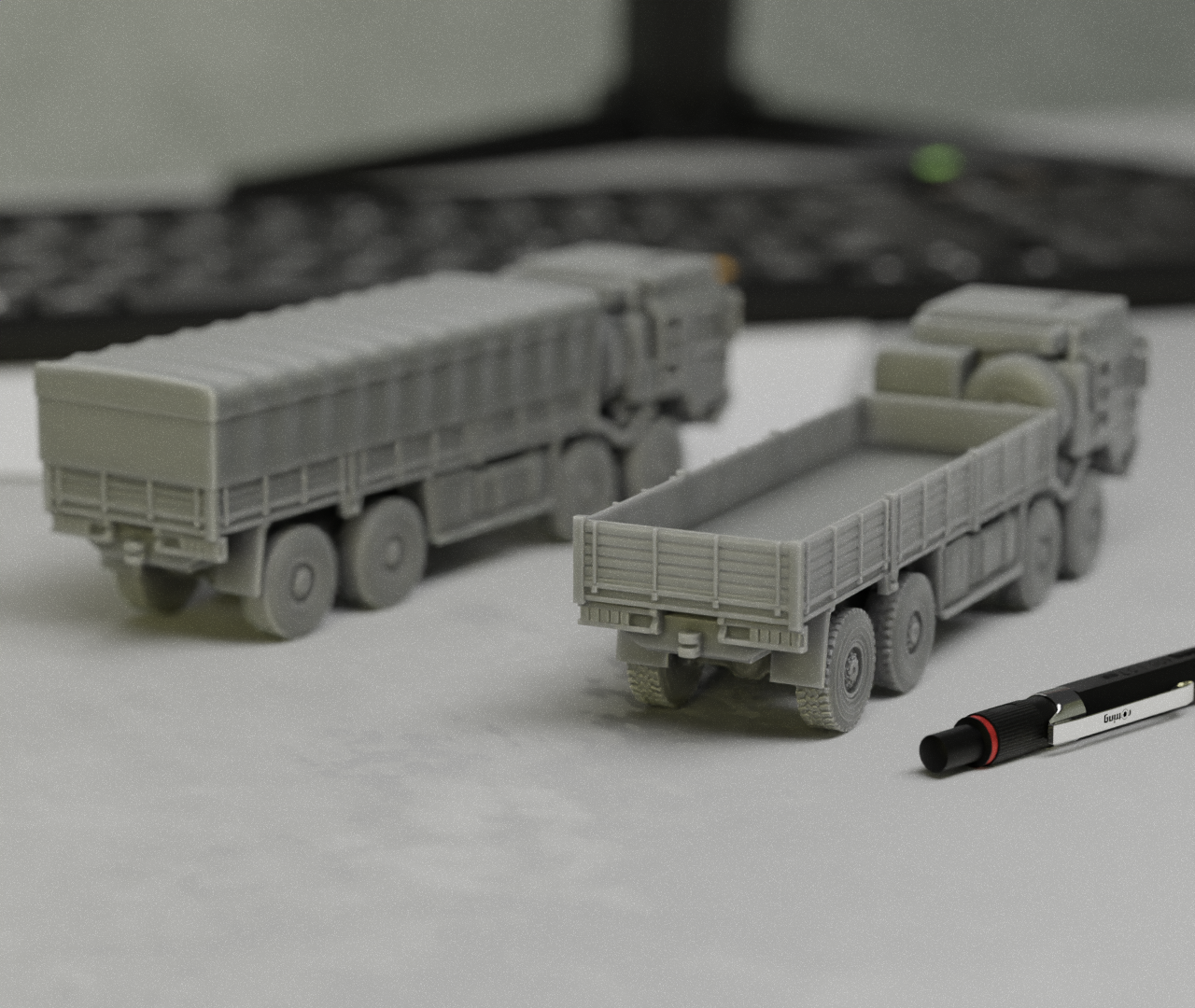
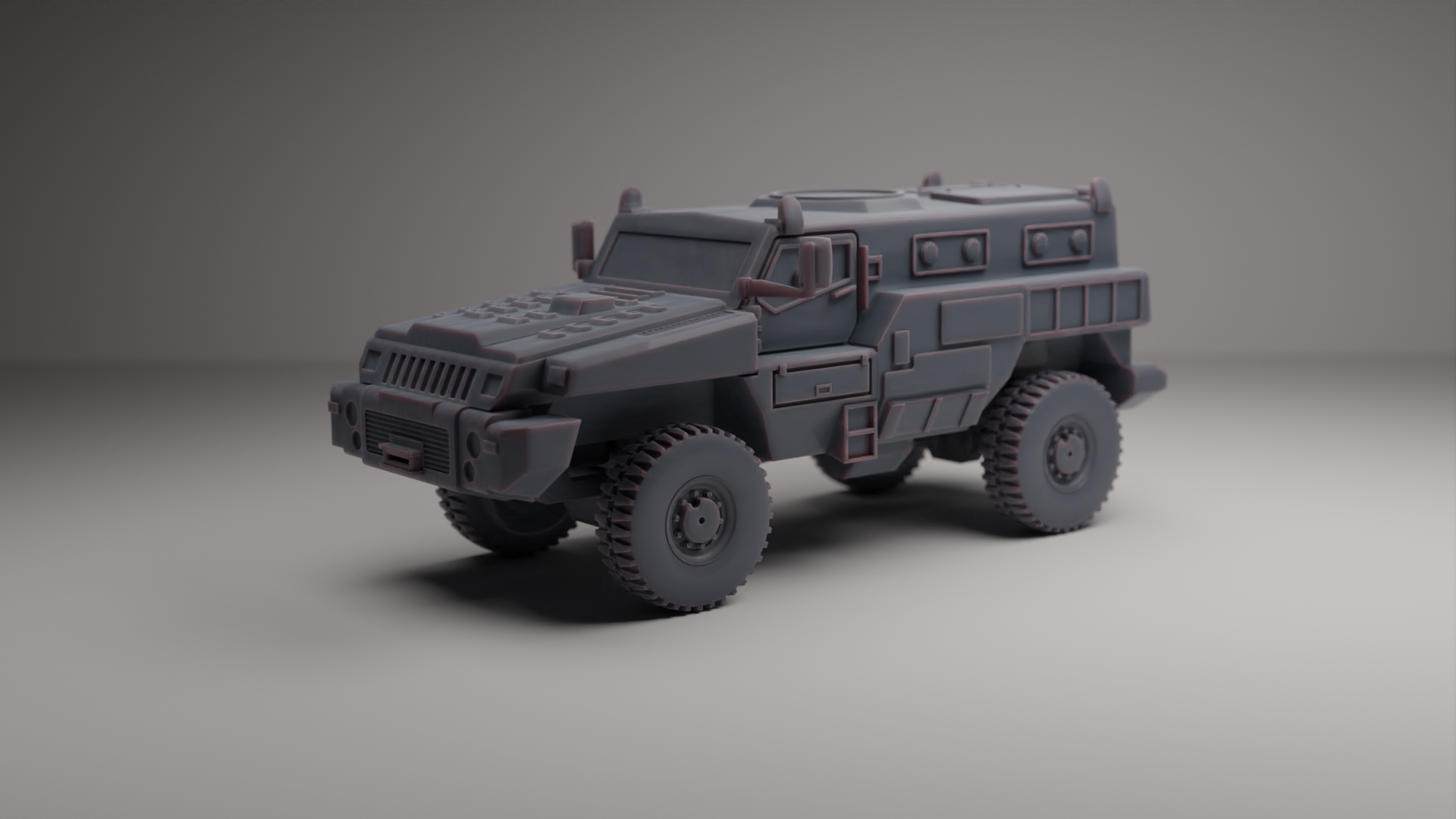
- Miniatures and models: Fine-detail figurines and collectibles
Resin Printing Characteristics
Compared to filament-based 3D printing, resin printing delivers superior detail and smoother finishes. However, printed parts typically require post-processing steps such as washing, UV curing, and surface finishing to achieve optimal strength and durability.
Proper handling and safety procedures are important when working with liquid photopolymer resins due to their chemical sensitivity and curing requirements.