Kategorie
Lathe Machines – Precision Turning and Shaping for Manufacturing
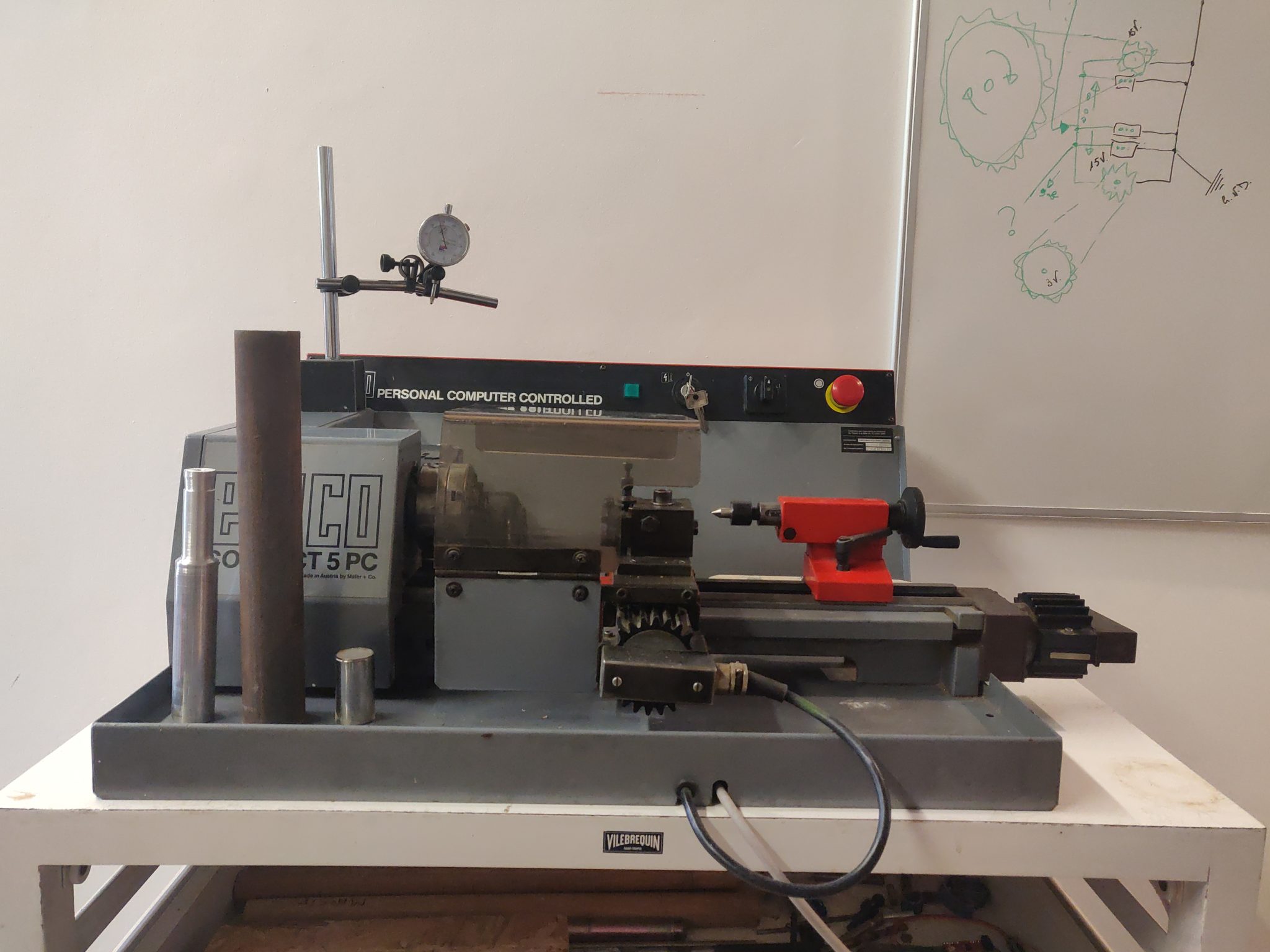
A lathe is a versatile machine tool that rotates a workpiece around a fixed axis while stationary cutting tools shape, cut, sand, drill, thread, and turn the material. This rotational machining process is one of the oldest and most widely used methods in manufacturing.
How Lathe Machines Work
Lathe machines operate by securing a workpiece in a chuck or spindle and rotating it at controlled speeds. Cutting tools are then applied to remove material and form the desired shape with high precision and repeatability.
- Rotational motion of the workpiece
- Fixed cutting tools for controlled material removal
- Adjustable speed and feed rates for precision
- Compatibility with manual and CNC systems
Materials Used in Lathe Machining
- Metals such as steel, aluminum, brass, and copper
- Wood for furniture and decorative components
- Plastics including nylon, acrylic, and PVC
Common Lathe Operations
- Turning: Reducing diameter and shaping cylindrical parts
- Facing: Creating flat surfaces on the workpiece end
- Drilling: Producing axial holes
- Threading: Cutting internal and external screw threads
- Sanding and finishing: Improving surface quality
Applications of Lathe Machines
Lathe machining is widely used across multiple industries due to its versatility and precision:
- Automotive industry: Engine shafts, gears, and fasteners
- Aerospace sector: Precision components and turbine parts
- Furniture manufacturing: Legs, spindles, and decorative elements
- General manufacturing: Screws, bolts, bowls, and custom parts
Importance of Lathe Machining
Lathe machines remain essential in modern manufacturing because they enable the production of accurate cylindrical components with high efficiency and consistency. They are used in both manual workshops and advanced CNC production environments.